
Monthly Essay ·
Fear and Joy in Sepharad and Ashkenaz
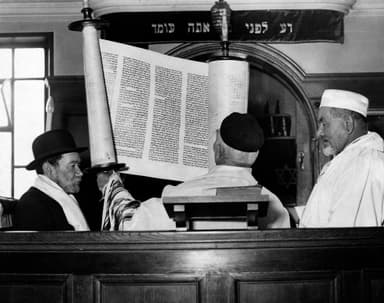
By Rabbi Meir SoloveichikWhat happens when an Ashkenazi rabbi leads a Sephardi synagogue during the Days of Awe? A profound encounter with new moods in Jewish life.

Monthly Essay ·
What happens when an Ashkenazi rabbi leads a Sephardi synagogue during the Days of Awe? A profound encounter with new moods in Jewish life.
Observation ·
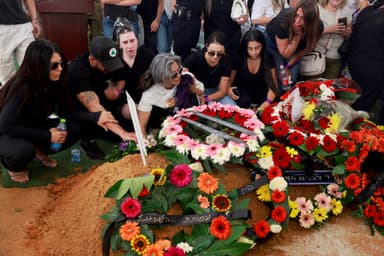
The idea of martyrdom is an uncomfortable one for Jews. Yet respect for religious self-sacrifice finds its very origins among them, as I saw on Mount Herzl this summer.
Observation ·
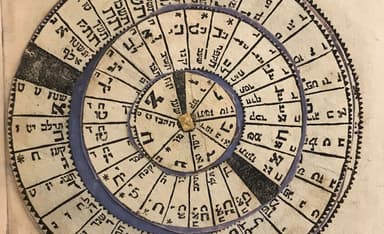
It was only in the early-to-mid first millennium BCE that both the ancient Babylonians and the ancient Hebrews began dividing their lunar months into seven-day periods.
Observation ·
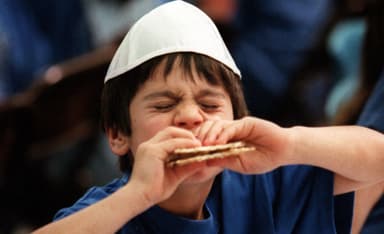
The truth of the tale of Hillel and the "Hillel sandwich."
Response ·
Committed to developing and supporting the intellectual, religious, and political leaders of the Jewish people and the Jewish state.

Response ·
Committed to developing and supporting the intellectual, religious, and political leaders of the Jewish people and the Jewish state.

Response ·
Committed to developing and supporting the intellectual, religious, and political leaders of the Jewish people and the Jewish state.

Observation ·
The holiday noisemaker bears a suspicious resemblance to the Spanish carraca .

Observation ·
The name of the biblical tribe of murderers, the arch-rivals of ancient Israel, has been much discussed in the wake of October 7. Is that appropriate?
Observation ·
An ancient prayer for rain mentions an angel named Af-bri. But where did he come from?
Observation ·
In both Hebrew and English.

Observation ·
How many rabbis first translated the Hebrew Bible, and how many different translations did they produce?
Observation ·
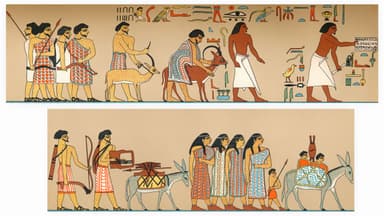
And does their presence illuminate the book of Exodus—or is it simply a sign that ancient Egypt was a powerful nation?
Observation ·
The ancient rabbis believed there was linguistic proof that the first man spoke Hebrew with God. Why?
Observation ·
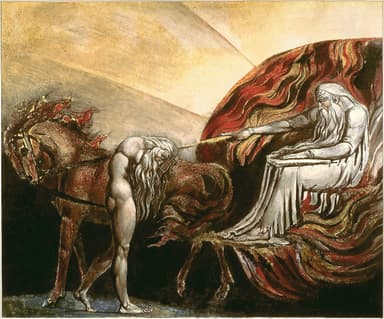
One renowned talmudic scholar called the now-beloved prayer a "foolish custom that is not to be followed." What did he mean and how did it survive?
Observation ·
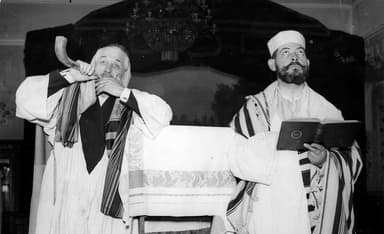
Everyone from Netflix to the Forward is fascinated by the ḥaredi matchmaking system because it rejects liberal norms. Here's what they're missing.
Observation ·
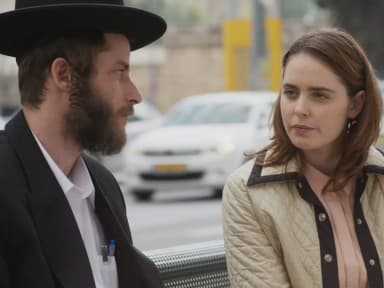
A major tenet of rabbinic Judaism is that the Bible is not to be taken literally. But of course that's not the whole story.
Observation ·
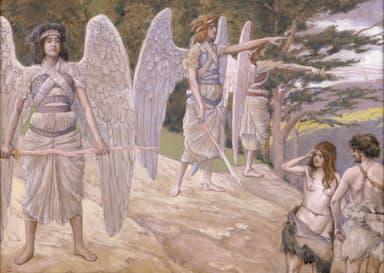
The word , like a small number of other Egyptian loanwords in the Bible, testifies to a period in which the early Israelite nation, or a part of it, was in intimate contact with Egyptian life.
Observation ·
Jewish history has always known periods in which double naming existed, always in places in which Jews were relatively well-integrated in the non-Jewish society around them.
Observation ·
How did a small Transylvanian movement become the most powerful player in worldwide ultra-Orthodoxy?
Observation ·
One never hears Jews speak among themselves of Sukkot as the holiday of Booths, or of Rosh Hashanah as New Year's Day. Why the difference?

Observation ·
One recent Saturday morning, I was following the Torah portion from a late-13th-century manuscript and noticed some strange faded text and stress lines. What did they mean?
Observation ·
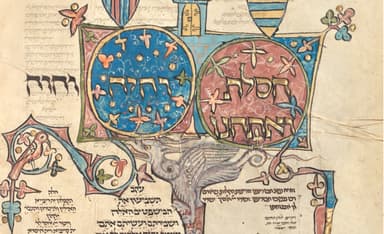
"An earthquake in biblical scholarship” is how the discovery has been described. That's true, as are the connections it reveals between ancient languages and modern ones.

Observation ·
The Hebrew of the Bible has many more and s than does modern English prose, a feature that's surprisingly crucial to its literary power.
Observation ·
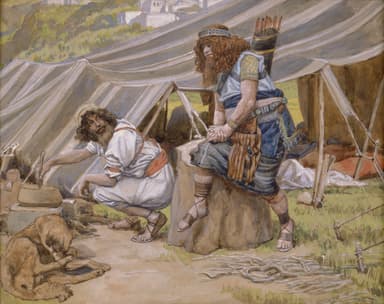
A new edition of the Hebrew Bible edited by the late Jonathan Sacks Hebraizes its names in a way that bibles almost never do. Why, and what's at stake?
Observation ·
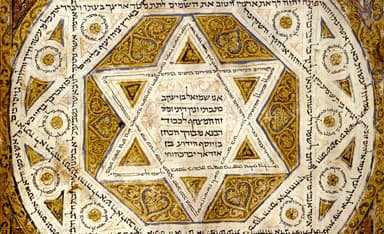
The final, often-skipped stanza of the popular Hanukkah candle-lighting song Ma’oz Tsur presented the late rabbi with an unusual challenge.
Observation ·
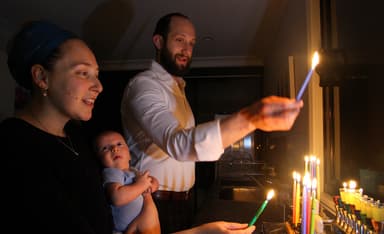
Some of the most interesting and creative work in all of Jewish studies today is happening neither in universities nor as part of a yeshiva curriculum.
Observation ·
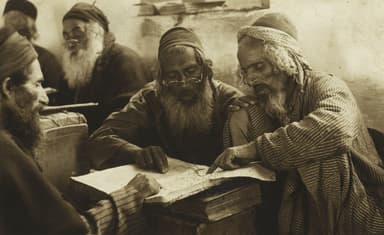
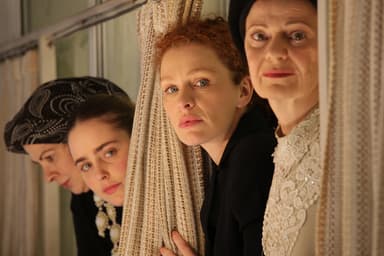
The Israeli director and the American rabbi team up to discuss her groundbreaking film about marriage and Jewish life.
Observation ·
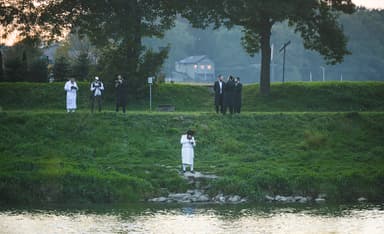
Apart from Kol Nidrei, no High Holy Day prayer is better known than Un’taneh Tokef. But there's a puzzle at its heart.
Observation ·
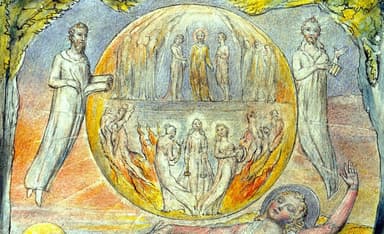
God’s first creative proclamation was “Let there be light,” so it might seem that the day came first. But then why does the Bible say that "it was evening and it was morning?"
Unlock the most serious Jewish, Zionist, and American thinking.
Subscribe Now