
The Seeing Eye ·
Does Jewish Art Belong in Separate Galleries?
By Jacob WisseA tale of two museums.



Jacob Wisse is Associate Professor of Art History at Stern College for Women of Yeshiva University. He is the former director of Yeshiva University Museum, where he guided its exhibitions and collections and its educational and public programs. He received his B.A. in Art History from McGill University; an M.A. and Ph.D. from the Institute of Fine Arts of New York University; and a Curatorial Studies Degree, jointly from NYU and The Metropolitan Museum of Art. He specializes in Jewish art and visual culture, as well as in northern European art of the Renaissance and early modern era. His book on City Painters in the Burgundian Netherlands is to be published by Brepols Press. He lives in Yonkers, NY, with his wife and two daughters.
The Seeing Eye ·
A tale of two museums.
The Seeing Eye ·
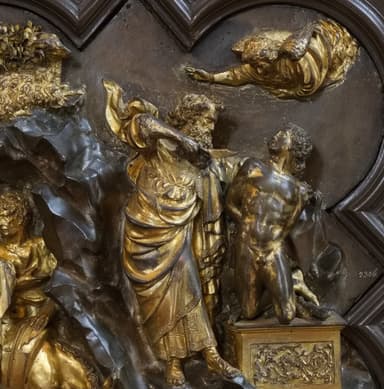
A sculptural competition in 1400 offers us interpretive insights into the akeidah, and how the Hebrew Bible shaped the Renaissance.
The Seeing Eye ·
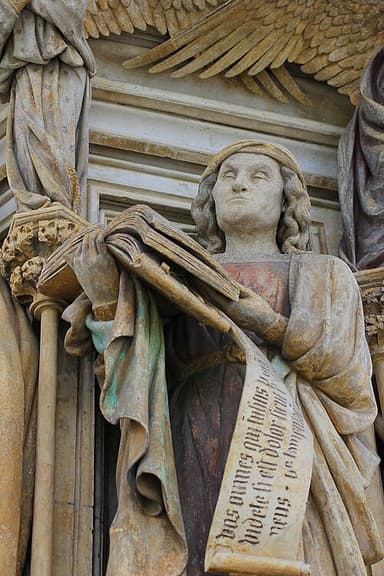
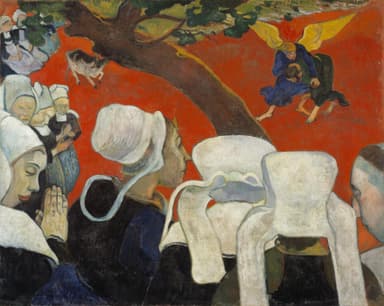
For Christian and Jewish artists, the prophet has revealed something about timeless human struggles.
The Seeing Eye ·
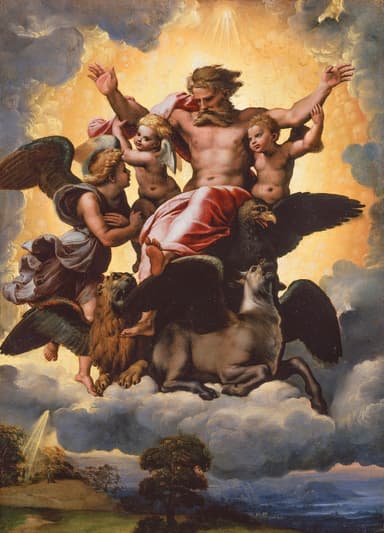
The Great Masters saw eternal stillness in Christian Scripture, and dynamism and change in Jewish Scripture.
Response ·
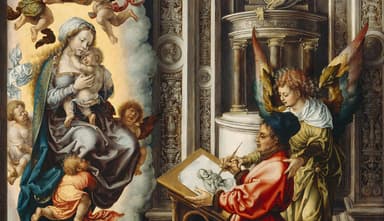
In the Christian ideal of art, the artist is nowhere to be found. In the Jewish one, the artist is imbued with a divine spark and in special cases can achieve holiness.
Monthly Essay ·
For centuries, visual artists, nearly all Christian, turned to the Hebrew Bible for inspiration even more often than the New Testament. What did they find there, and did they treat it well?
Unlock the most serious Jewish, Zionist, and American thinking.
Subscribe Now