
Gleanings ·
Outrage, Wonder, and Divine Justice
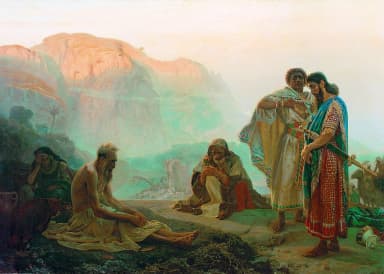
By Gary Saul MorsonConfronted with the problem of evil, the Bible and Dostoevsky offer what philosophy cannot.


Subject
Gleanings ·
Confronted with the problem of evil, the Bible and Dostoevsky offer what philosophy cannot.
The Seeing Eye ·
A tale of two museums.

Etzem ·
Too many Americans are consumed by tabloid morality plays. Let the Days of Awe remind us to pay more attention to our own souls.

Gleanings ·
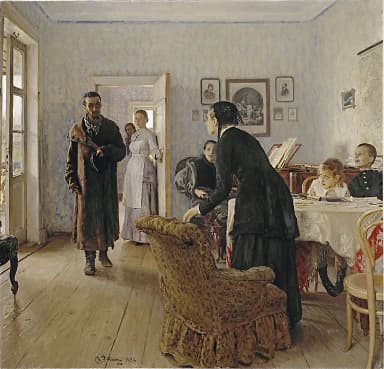
Anton Chekhov reminds us how biblical stories invest a seemingly chaotic world with order and meaning.
The Seeing Eye ·
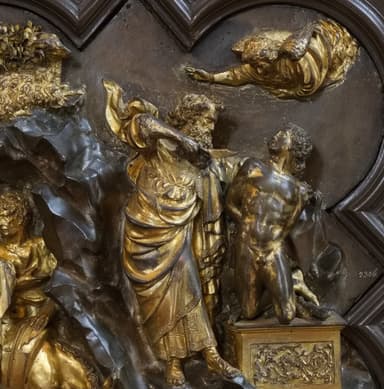
A sculptural competition in 1400 offers us interpretive insights into the akeidah, and how the Hebrew Bible shaped the Renaissance.
Gleanings ·
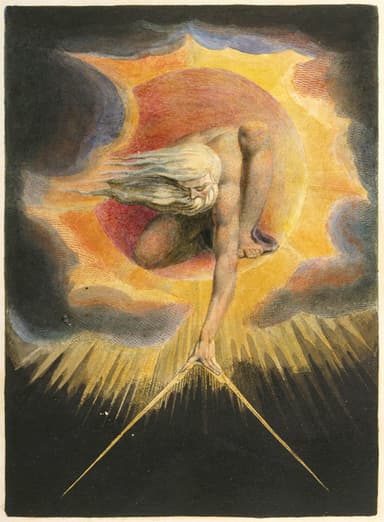
Utopians yearn for a Newtonian creator, but our world is dappled, full of surprise, failure, and freedom.
The Seeing Eye ·
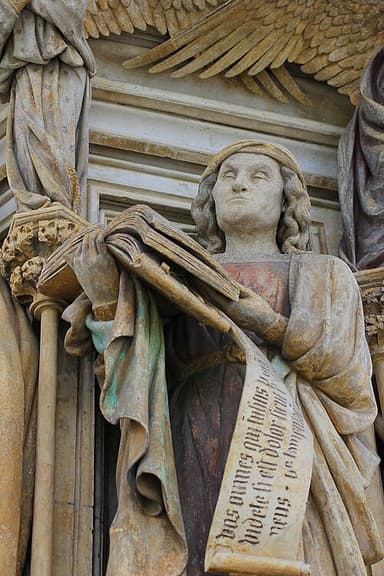
For Christian and Jewish artists, the prophet has revealed something about timeless human struggles.
Gleanings ·
Why should an infinite, all-powerful being choose to rest? Tolstoy had an answer.
The Seeing Eye ·
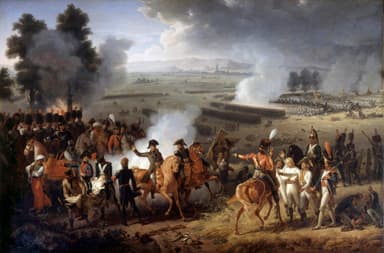
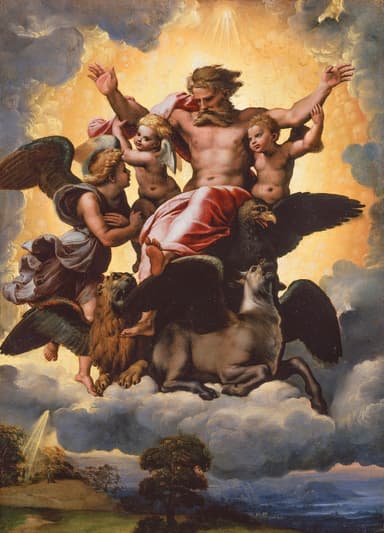
The Great Masters saw eternal stillness in Christian Scripture, and dynamism and change in Jewish Scripture.
Observations ·
The Gavriel Tirosh Affair and the costs of Jewish restraint.

Observations ·
The unusual appellation testifies to the individuality of the character who bears it.
Observations ·
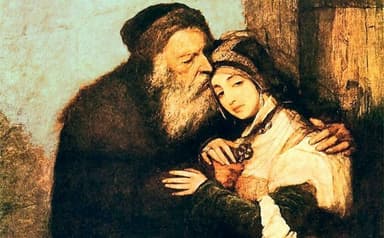
Donald Trump, Paradise Lost, and the origins of a phrase.
Response ·
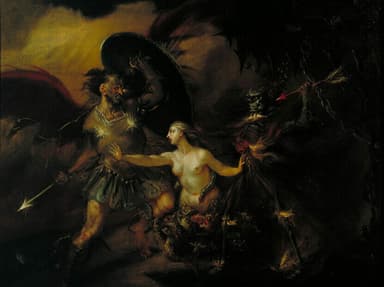
In the Christian ideal of art, the artist is nowhere to be found. In the Jewish one, the artist is imbued with a divine spark and in special cases can achieve holiness.
Response ·
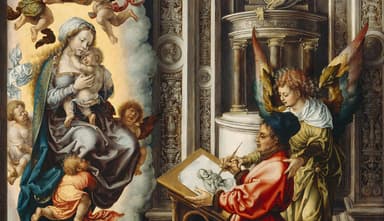
Christian artists often employ a notion called typology, or prefiguration, where events from the Hebrew Bible eventually find rhymes within the later life of Jesus.
Response ·
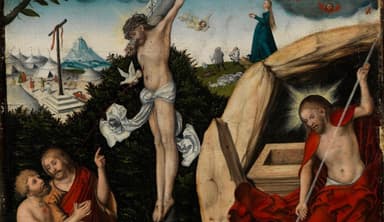
And how Jews used art to send messages about themselves.
Observations ·
All nouns and adjectives in Hebrew are gendered. Why do those genders keep switching?

Monthly Essay ·
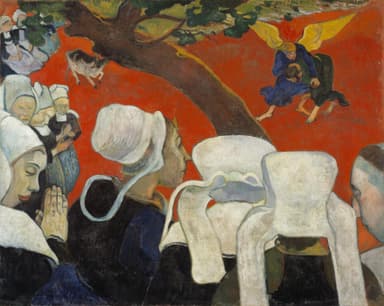
For centuries, visual artists, nearly all Christian, turned to the Hebrew Bible for inspiration even more often than the New Testament. What did they find there, and did they treat it well?
Observations ·
I can’t think of a single serious Hebrew composition written by a Christian other than “In Praise of the Hebrew Language.”

Response ·
Yiddish socialist or proto-neoconservative?
Observations ·
Hebrew is full of goats these days, and English and French aren't too far behind. Where'd they all come from?

Response ·
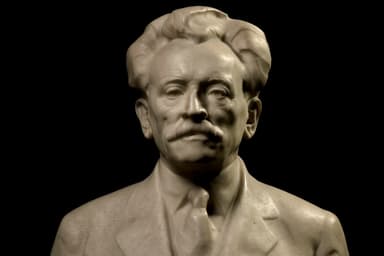
In many ways, Abraham Cahan was a stereotypically rationalist Lithuanian Jew, able to rein in his emotions and do what he felt right.
Response ·
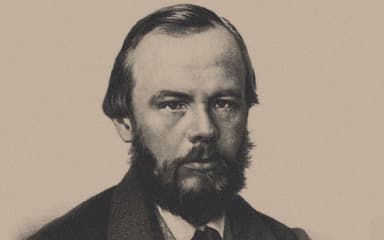
Two leading scholars joined Mosaic's editor to look at why compassionate people, like the brilliant Russian author, can so often hate the Jews.
Response ·
Why Russian Jews believed that reading Dostoevsky would legitimize their place in Russian culture and protect them from accusations of being interlopers.
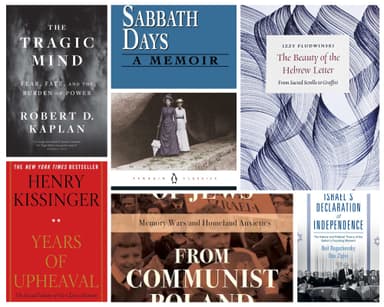
Observations ·
Featuring fears, fates, burdens of power, memory wars, Sabbath days, Russian writers and timeless questions, years of upheaval, Japanese Jews, and more.
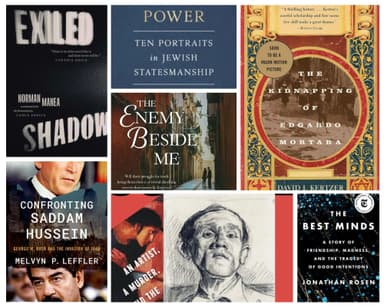
Observations ·
Featuring prime ministers, kidnappings, popes, silences, exiled shadows, portraits, intellectual origins, the best minds, and more.
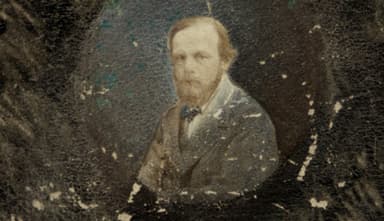
Response ·
That's why geniuses like Dostoevsky can love all humanity and hate the Jews.
Observations ·
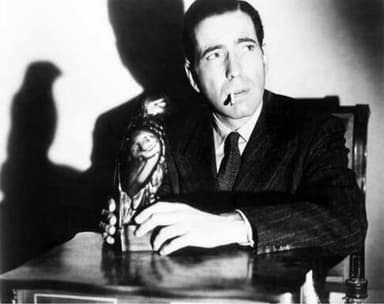
The long-running case of the word for private detective can finally be considered closed.
Monthly Essay ·
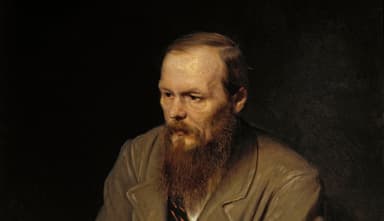
The case of the literary master helps explain why people who devote themselves to compassion for all so often make an exception for Jews.
Observations ·
In the wake of the Yom Kippur War, the words yom kippur shel, “the Yom Kippur of,” have referred in Israeli speech to any debacle that might have been prevented by better judgment.

Response ·
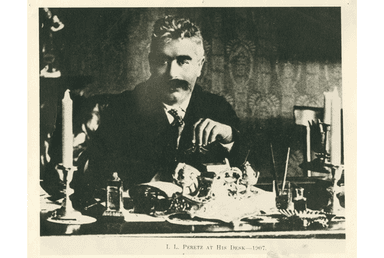
The only Jewish personality who ranks with the Yiddish writer Y.L. Peretz was Herzl, who devoted himself to a similar task in the political domain.
Unlock the most serious Jewish, Zionist, and American thinking.
Subscribe Now