
Observation ·
Who Is the “Little Sister” of a Medieval Rosh Hashanah Prayer?
By PhilologosShe comes from the Song of Songs. But what is she doing there?
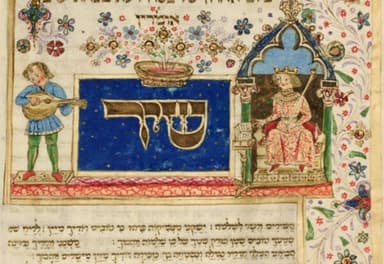

Observation ·
She comes from the Song of Songs. But what is she doing there?
Observation ·
God’s first creative proclamation was “Let there be light,” so it might seem that the day came first. But then why does the Bible say that "it was evening and it was morning?"
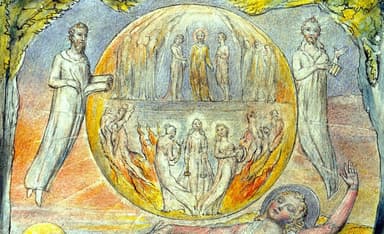
Observation ·
The ancient Israelites, wandering in the wilderness, had more plentiful provisions than British Airways on this particular evening. How would I—we—get through this journey?
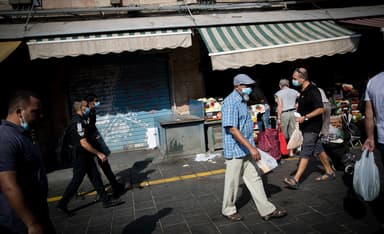
Observation ·
In a worship service almost defined by its eloquence, Judaism mandates an unintelligible noise.
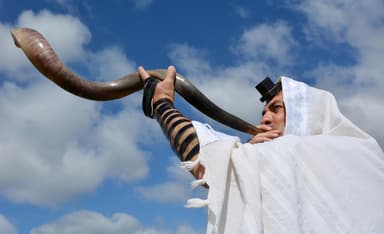
Observation ·
Why the first of Nisan, which falls on this coming Saturday, would seem to be the most important date of all.
Monthly Essay ·
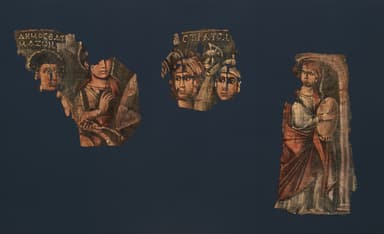
What happens when, once a year, the urge to accommodate every consumer fashion meets massive Jewish cultural illiteracy?
Observation ·
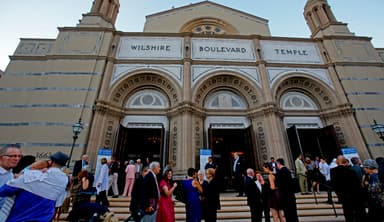
The products of the Yiddish greeting-card industry are a reminder of how wonderfully varied was the world of Yiddish-speaking Jewry.

Observation ·
The method, developed by the Babylonians and kept alive by medieval Jews, is known in Hebrew as the "secret of impregnation."
Observation ·
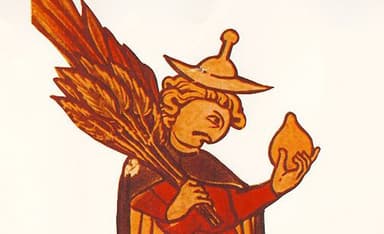
There are three Hebrew expressions for the days from Rosh Hashanah through Yom Kippur. Two are well-known. The third? No one's quite sure what it means.
Observation ·
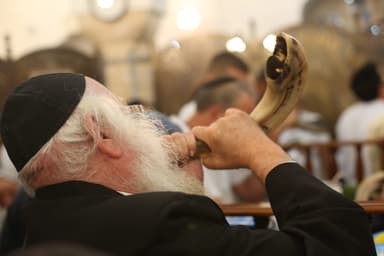
“Here am I, poor in deeds," it begins. Where did it come from and, more importantly, what does it say to us?
Observation ·
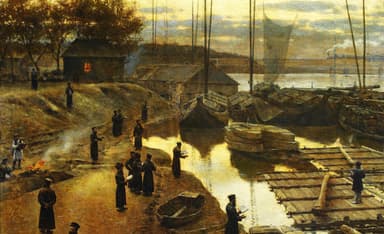
How a central prayer of the New Year liturgy reveals the day’s true spirit of awe and fear.
Observation ·
Rosh Hashanah as described in the Torah looks very different from the Rosh Hashanah we know today. What happened, and what exactly are we celebrating?
Unlock the most serious Jewish, Zionist, and American thinking.
Subscribe Now