
Response ·
Hamas Didn’t Need to Learn Violence from Frantz Fanon
By Martin KramerWhat Bernard Lewis understood about jihad.


Response ·
What Bernard Lewis understood about jihad.
Observations ·
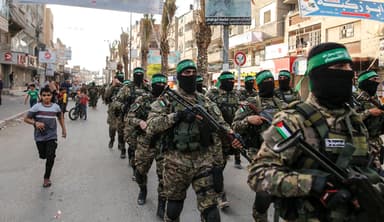
At the start of this war, the jihadist group had governing authority, territorial control, a functioning bureaucracy, and a trained army.

Response ·
A diverse group of writers engage in a vigorous debate over what went wrong on October 7, who's really to blame, and how that should influence Israel today and long into the future.
Observations ·
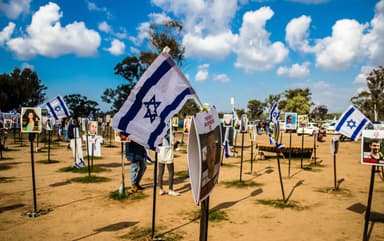
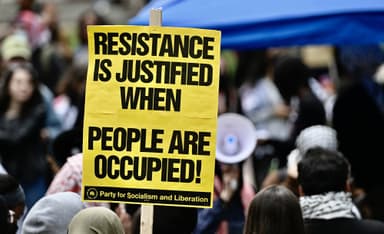
Compared to the wit of the anti-Vietnam slogans of the late 60s, the anti-Israel chants of today are aggressively tedious. What does that say about the chanters?
Response ·
Watch three leading analysts talk about the Palestinian predicament, and what role Israel's war against Hamas could ultimately play.
Monthly Essay ·
Three catastrophes, all marked by euphoria at the start and denial at the end, have shaped the Palestinian predicament. Has the fourth arrived, and is the same dynamic playing out?

Response ·
Heinous violence meant to force everyone to choose sides has long been the recourse of a radical minority that fears time is not on its side.
Response ·
Wars in Ukraine and Israel are strengthening ties among Iran, Russia, and China. As in 1940, America can protect itself only if it rises to help the nations on the front line.

Response ·
Israelis are making an extra effort to be kind to each other, even to the point of letting others pass them when driving, Sarah Rindner reports.

Response ·
After October 7, the possibility of a diplomatic resolution of the Israeli-Palestinian conflict has receded from view.

Response ·
A war in Gaza right now is a war on Hamas's timeline and initiative. Israel should consider seizing the initiative by making unpredictable moves elsewhere first.
Response ·
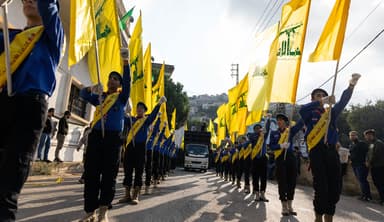
A fighting report from a 20-year-old Border Police agent who was one of the first responders to Saturday's massacre in southern Israel.
Response ·
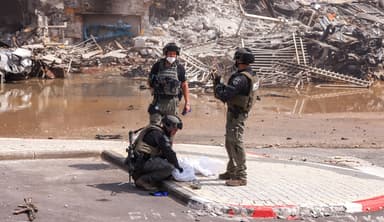
If they see Israel as weak and not a dependable ally, the likes of Saudi Arabia, Jordan, and Egypt would have little choice but to align with Iran.
Response ·
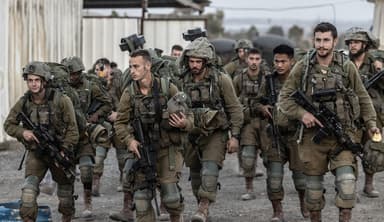
To give Gazans a stake in their economic development, Israel could encircle Gaza with economic opportunities just beyond its borders—and thus just outside the terrorists’ control.

Response ·
There are four possibilities for the Gaza Strip's future, from continued decline to Egypt stepping in. Which is most likely?

Response ·
There are plenty of nice plans for Gaza, but none that will change the core truth: Hamas will continue to seek Israel's destruction, and Israel will continue to defend itself.
Response ·
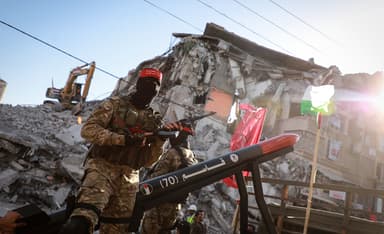
As long as Gaza is a problem for Israel, Egypt can play an important role as a mediator, prove its usefulness as an ally to the U.S., and avoid its slide into irrelevance.

Response ·
Palestinians deserve a chance to elect a decent government without corruption or terror. Political reform can make Gaza better, and Israel more secure. Here's how it could happen.

Monthly Essay ·
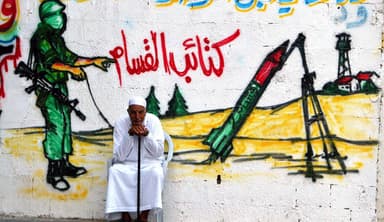
The fourth conflict in the last twelve years between Israel and Gaza looks remarkably like the first. What happened?
Response ·
Despite challenges to its electoral system, its prime minister, and its relations with Palestinian Arabs, the answer is no.

Observations ·
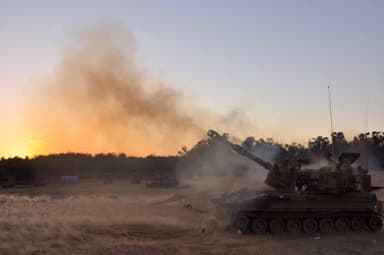
The Israeli NGO won international attention last week for claiming to expose IDF malfeasance in Gaza. It exposed something else.
Monthly Essay ·
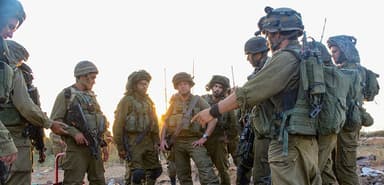
Common enemies and shared interests have aligned the Saudis, the Egyptians, and other Arabs with the Jewish state. That's the good news.
Observations ·
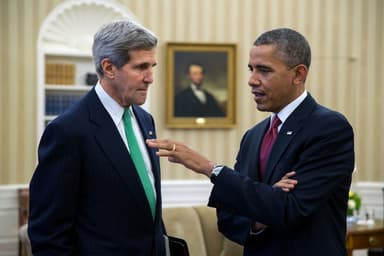
By seeking reconciliation with Iran, Washington alienates its allies and contributes to ever greater mayhem in the Middle East.
Unlock the most serious Jewish, Zionist, and American thinking.
Subscribe Now