

May 22, 2015
Did It Really Happen, or Was It a Dream?
God ordered the prophet Hosea to marry a whore and father her children. The rabbis can't decide if the story actually happened or was purely symbolic.
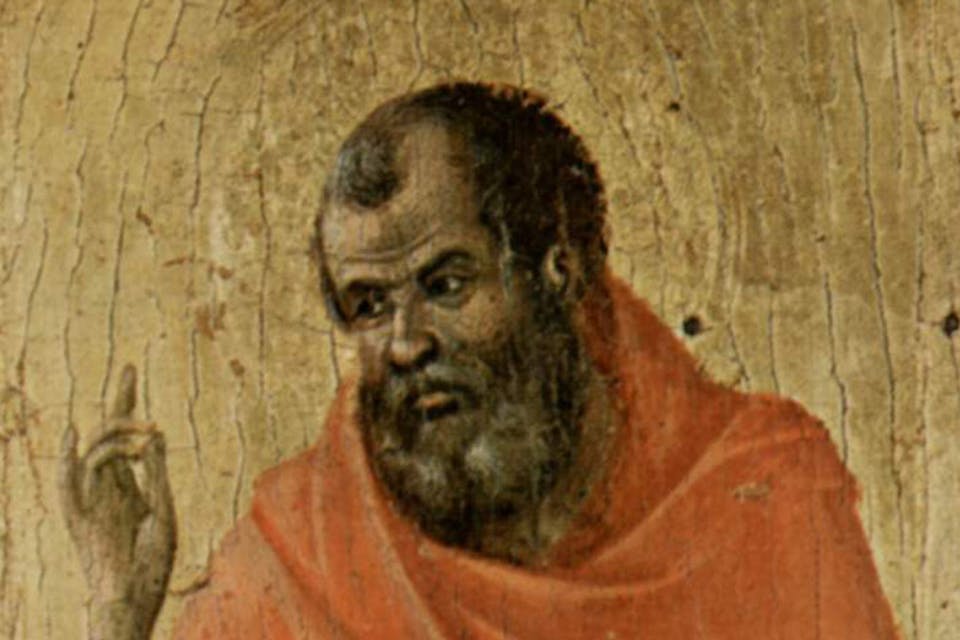
The haftarah accompanying this week’s reading of Bemidbar is taken from the prophet Hosea (2:1-22). That book is unusual in that rabbinic opinion is split down the middle on whether the events described in it—starting with God’s ordering the prophet to marry a whore and father children by her—happened in real life or are entirely symbolic depictions of the Lord’s relations with the people Israel. In the tractate Pesaḥim, the hardened realists of the Talmud imagine the encounter between the Almighty and Hosea went like this:
The Master of the Universe said: what shall I do to this old man? I’ll tell him “Go take to wife a whore and bear whoresons by her,” and after that I’ll tell him, “send her away from before you!” If he’s capable of sending her away, then I too shall send away Israel. . . . [Hosea] said: “Master of the Universe, I’ve children by her and cannot put her out or drive her away.” The Holy One said, “And what are you whose wife is a whore and whose children are whoresons, and you do not know if they’re yours or others’? Just so are Israel, who are my children, children of those I’ve tested . . . and you tell me to transfer them to another nation?!” Since [Hosea] knew he’d sinned, he rose to plead mercy for himself. The Holy One told him: “Since you’re pleading mercy for yourself, plead mercy for Israel, against whom I’ve decreed three decrees for your sake.” He rose to plead mercy for them, cancelled the decree, and started blessing them.
As far back as the Aramaic translation of Hosea (ca. 2nd century CE), however, there were doubts the book meant what it said. In the Middle Ages, Abraham ibn Ezra thought it was all a dream, and even Maimonides presumed the same. Not so Isaac Abrabanel (1437–1508), whose impatience with this approach scorches the page: