
January 20, 2014
Even in a region that is unfree, Israel has shown that it can maintain liberty. There is no substitute for independent power.
Ofir Haivry has given a historically well-versed account of the evolution of Zionist and Israeli grand strategy, from Herzl to the present. He also makes a trenchant case that Israel has strayed from the “activist” precedent set by David Ben-Gurion in the early years of the state.
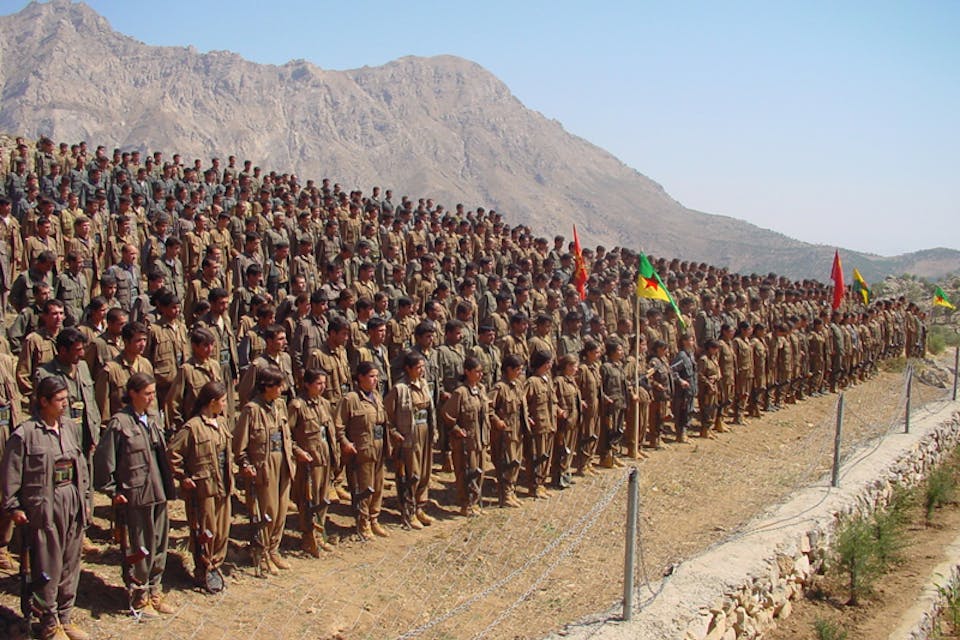
There was always something romantic about the “activist” doings of Israel—forging ties as far afield as Ethiopia and Iran, dabbling in the secessionist causes of the Kurds of Iraq and the blacks of southern Sudan. And, of course, there was the longest and most cherished play of all: the cultivation of ties with the Maronites of Lebanon. Ah, that view from the heights above Beirut. . . .
But as romantic as it all may seem in retrospect, this “activism” failed to achieve its primary end, which was to keep Arab states so preoccupied with other problems that they would avoid war with Israel. In each decade, Israel ended up fighting wars with Arab states: 1948, 1956, 1967, 1973. Each war had its own dynamic, but together they combined to create the firm impression in the world that the Arab-Israeli conflict was indeed the “Middle East conflict,” the source of all the region’s problems. Israel’s support for the southern Sudanese and Ethiopia didn’t restrain Egypt, its support for the Kurds didn’t deter Iraq, and its backing of the Maronites didn’t stop the PLO from carving out a mini-state in Lebanon. Relationships with Turkey and Iran did nothing to cause Arab states to think twice.
January 2014

January 2014
January 2014
January 2014
January 2014
January 2014
January 2014
January 2014
January 2014
January 2014
Unlock the most serious Jewish, Zionist, and American thinking.
Subscribe NowOfir Haivry has given a historically well-versed account of the evolution of Zionist and Israeli grand strategy, from Herzl to the present. He also makes a trenchant case that Israel has strayed from the “activist” precedent set by David Ben-Gurion in the early years of the state.
There was always something romantic about the “activist” doings of Israel—forging ties as far afield as Ethiopia and Iran, dabbling in the secessionist causes of the Kurds of Iraq and the blacks of southern Sudan. And, of course, there was the longest and most cherished play of all: the cultivation of ties with the Maronites of Lebanon. Ah, that view from the heights above Beirut. . . .
But as romantic as it all may seem in retrospect, this “activism” failed to achieve its primary end, which was to keep Arab states so preoccupied with other problems that they would avoid war with Israel. In each decade, Israel ended up fighting wars with Arab states: 1948, 1956, 1967, 1973. Each war had its own dynamic, but together they combined to create the firm impression in the world that the Arab-Israeli conflict was indeed the “Middle East conflict,” the source of all the region’s problems. Israel’s support for the southern Sudanese and Ethiopia didn’t restrain Egypt, its support for the Kurds didn’t deter Iraq, and its backing of the Maronites didn’t stop the PLO from carving out a mini-state in Lebanon. Relationships with Turkey and Iran did nothing to cause Arab states to think twice.
Get the best Jewish ideas and conversations. $10/month.
Subscribe nowAlready subscribed? Sign in
