
Observation ·
The Case of the Non-Jewish Prophet
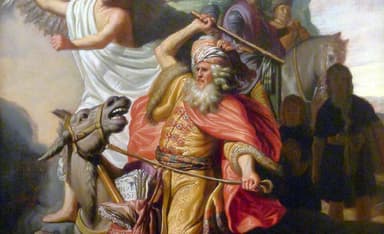
By Atar HadariWith his fatal weakness for the lure of fame and fortune, the prophet-for-hire Balaam seems completely our contemporary.

Observation ·
With his fatal weakness for the lure of fame and fortune, the prophet-for-hire Balaam seems completely our contemporary.
Observation ·
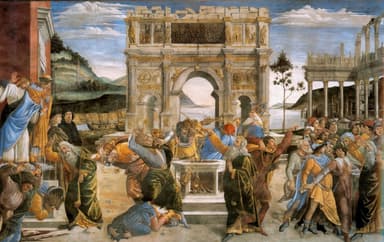
Koraḥ's failed rebellion against the leadership of Moses shows that a culture based on grievance cannot last.
Observation ·
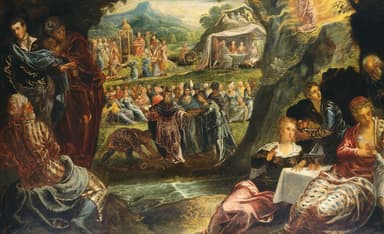
There's a reason the Torah refers to the endlessly complaining Israelites, who need a golden calf to comfort them, as "the children of Israel."
Observation ·
The law in Leviticus seems morally questionable, not to mention out of line with the Bible's otherwise encouraging stance toward the bearing of children. What's it really about?
Observation ·
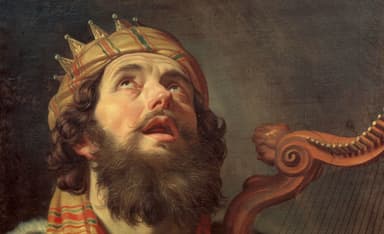
David remains a revolutionary hero, a guerrilla leader and desert tribal bandit—too much of a renegade at heart to be entrusted with His house.
Observation ·
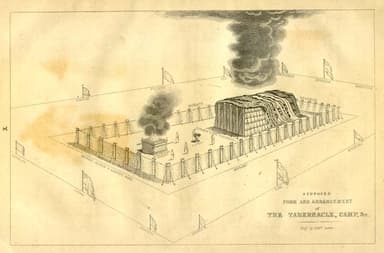
The fire at the core of Leviticus.
Observation ·
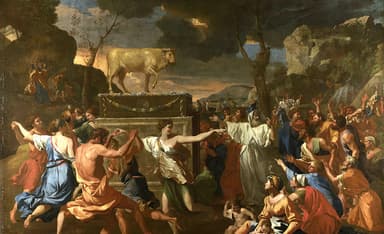
When Israelites who stood for God were ordered to kill their fellows who had stood for the Golden Calf.
Observation ·
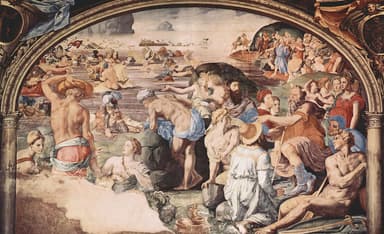
The great song marking the Israelites' safe crossing of the Sea of Reeds is the Hebrew Bible's only full-length poem recited collectively by the people as a whole. What is it really about?
Observation ·
The two disparate texts intoned at Ariel Sharon's funeral tell us much about contemporary Jewish attitudes toward life, death, and the land of Israel.

Observation ·
In the Jewish tradition, the summit of religious awareness is to know that God is ultimately unknowable.
Observation ·
Nishmat starts with the wide-open sky and the wings of eagles; it ends deep inside the recesses of the body, in our vital organs.

Observation ·
The story of Joseph sets up two archetypes: the righteous dreamer (Joseph) and the flawed but penitent sinner (his brother Judah). Both have a place in the tradition, but one is preferred.
Observation ·
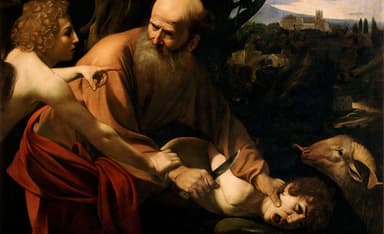
Can you imagine the person who bathed you and put you to bed at night tying you up one day and holding a knife to your throat?
Observation ·
The ancient priesthood, the Pharisees, the kabbalists, the Ḥasidim—each of these and more have made a stand in the prayer book for what they think Judaism should be.
Observation ·
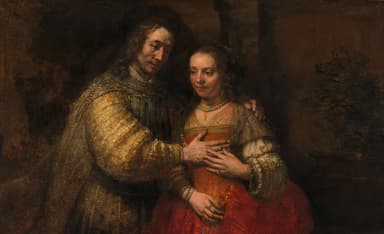
The point of the Torah's rules on foreign brides and divorce.
Observation ·
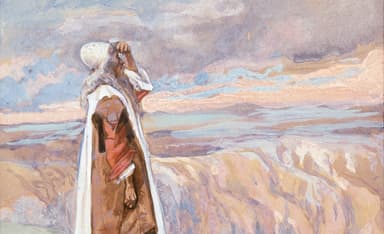
A biblical story marks the moment when Judaism turned from charismatic authority to institutional authority, and from the rule of judgment to the rule of law.
Observation ·
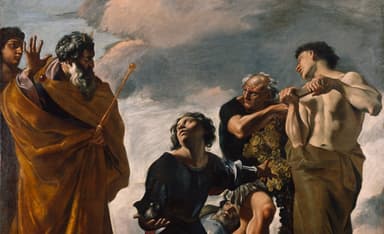
They looked inside themselves and saw only their own fear, not the confidence needed to make the land of Israel their own.
Observation ·
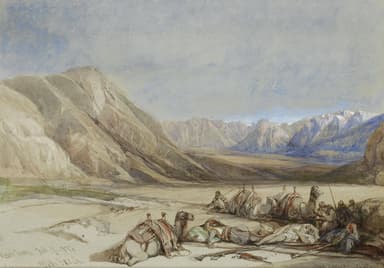
Read enough of the Hebrew Bible and you could come to the conclusion that the two are intertwined, or even interdependent.
Observation ·
He is dehumanized, his life circumscribed by the need to achieve perfect purity and be a vessel for the forgiveness of the people's sins.
Observation ·
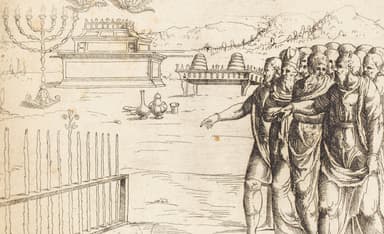
Vayakhel records in painstaking detail the making of the tabernacle. It also makes clear one crucial truth: the central task of Jewish leadership is not atonement but teaching.
Observation ·
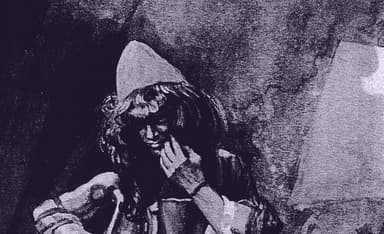
He insists he's not cut out for the job, and his reason has something to do with the way he speaks.
Observation ·
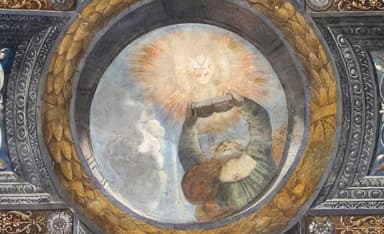
Moses acts, while Joseph sees himself as being acted upon.
Observation ·
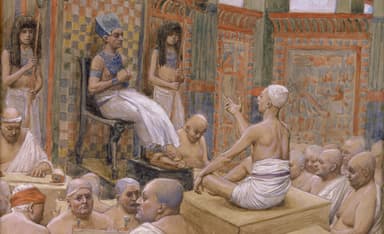
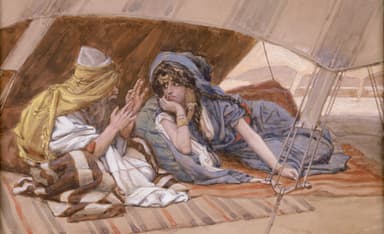
How her fear and her mistreatment of Hagar the Egyptian helped forge the descendants of Abraham into a people, in a forge of 400 years.
Observation ·
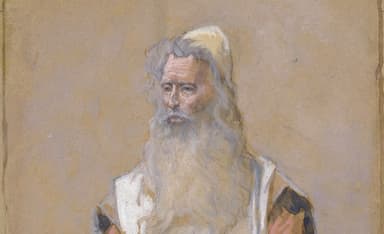
For 40 years, Moses held tight to the Jews lest they relapse into idol worship. As his time drew to an end, he forced himself to loosen the reins.
Observation ·
Wherever Jews live, God lives within them.
Observation ·
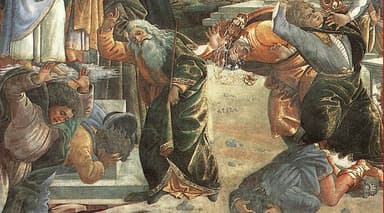
What happens when the people rebel against the leadership of Moses and Aaron?
Observation ·
God ordered the prophet Hosea to marry a whore and father her children. The rabbis can't decide if the story actually happened or was purely symbolic.
Observation ·
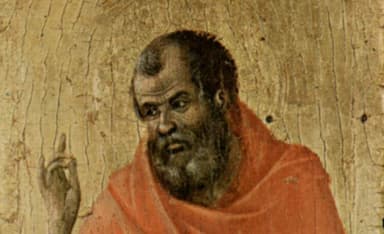
And why this week's Torah portion fits into the spirit of both days.

Observation ·
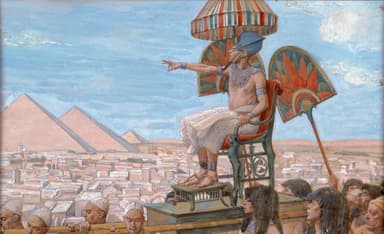
You can hear the man’s voice as he keeps changing his mind. What’s the point of such a Shakespearean portrayal?
Observation ·
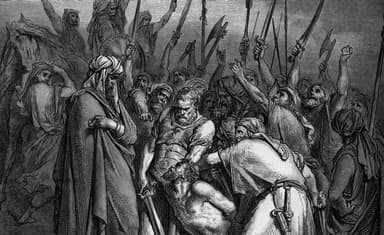
God wanted all of Amalek dead. Saul thought he knew better. What happened next?
Unlock the most serious Jewish, Zionist, and American thinking.
Subscribe Now